“How big is this?” is the question a shopper asks when a product photo shows the product alone, with nothing next to it for scale. Since July 2022, EasySizes has put a button on product pages that answers it: the shopper taps, and the product appears at true scale next to something they know, such as a laptop, a hand, a dog or a person.
Shoppers have tapped that button roughly 400 times on product pages, a count that includes some of our own test taps. Below is what those taps, and four years of requests from the shop owners who installed EasySizes, taught us about which products make shoppers stop and check, and what that means for your shop.
How big is this? Why shoppers stop to check product size
Shoppers stop to check size when the photo gives them no reference and a wrong guess is expensive. A bag shot against a white background could be 25 or 45 centimetres wide, 10 or 18 inches. The shopper wants to know one thing before paying: will it hold my laptop, fit my dog, or fit my room?
This matches independent research. The Baymard Institute found in its product page testing that 42 percent of users try to judge a product’s size from its photos (2017). When the photos give no scale, Baymard observed users drawing wrong conclusions about size, and some rejected products that would have suited them.
What about 400 size checks can and cannot tell you
A size check here means one tap on the EasySizes button. We record the tap and the page it happened on, and nothing else. Read every number in this post with these limits:
- Every count is a minimum. A shop can show the size comparison with our floating button or with a button inside its own theme. Only our floating button reported taps, so every tap on a theme button went uncounted. The real total is higher by an amount we cannot measure.
- The count is rounded and not clean. It is about 400, and a few dozen of those taps came from one page and were our own tests. Treat it as “a few hundred”, not as an exact number of shoppers.
- A tap is not a person. One shopper who taps twice counts twice.
- We do not know who tapped. We never recorded anything about the shopper.
- We do not know what happened next. We never recorded whether the shopper bought, so this post makes no claim about sales or returns.
What the taps do show is where shoppers had the size question badly enough to act on it.
Which products make shoppers check the size
Bags, jewellery, adult products, baby products and garden pots are where we counted size checks. Dog crates and furniture come from what shop owners asked us for: their shoppers wanted the product next to a dog, a chair or a person. Every category below has the same problem: a photo that shows the product alone.
| Product | The shopper’s real question | The object that answers it | Where we saw it |
|---|---|---|---|
| Handbags, totes and backpacks | Will my laptop fit? | A laptop, a phone, a person | Counted taps, and requests from bag shops |
| Jewellery and pendants | How big is it on me? | A coin, a hand | Counted taps |
| Adult products | How big is it, really? | A coin, a phone, a lipstick | Counted taps |
| Baby products | Will it fit the nursery or the stroller? | A baby, a child, a person | Counted taps |
| Lunch boxes and children’s tableware | Will it fit in the school bag? | An apple, a child | Installs by tableware shops |
| Garden pots and planters | How big is it next to my dog, on my patio? | A dog, a chair, a person | Counted taps, and requests from shop owners |
| Dog crates | Will my dog fit inside? | The shopper’s own dog breed | Requests from shop owners |
| Furniture | Will it fit my room and my doorway? | A chair, a person, a door | Requests from shop owners |
Bags: will my laptop fit?
Shops that sell bags get the same question every week: will my laptop fit? Bag shop owners tell us their shoppers ask whether a MacBook fits. The owner answers the email, and the next week another shopper asks about the next bag.
A number alone answers this badly, because “13-inch” and “16-inch” measure the screen diagonal, and the laptop body around it is wider. The laptops below are shown at the same scale. The narrowest and the widest differ by more than 10 centimetres, which is the difference between a bag that closes and one that does not.
-
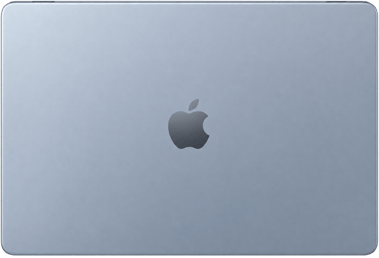 Apple MacBook Air 13-inch 30.4 cm (12 in) wide
-
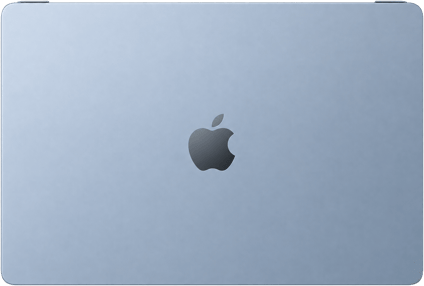 Apple MacBook Air 15-inch 34.0 cm (13.4 in) wide
-
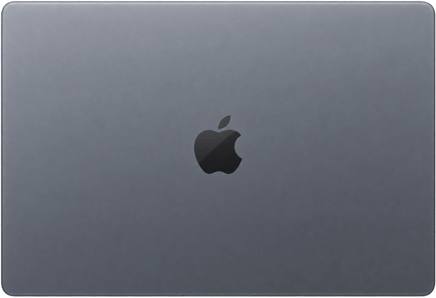 Apple MacBook Pro 16-inch 35.6 cm (14 in) wide
-
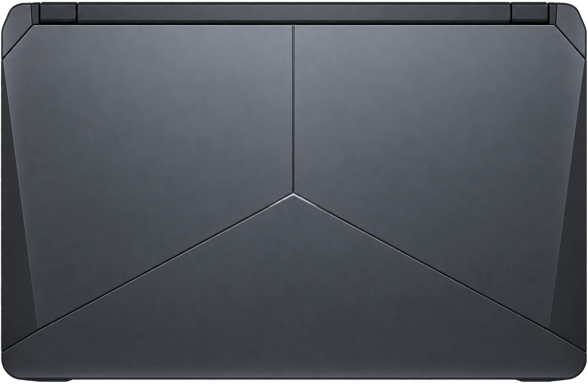 Alienware 18 Area-51 AA18250 41.0 cm (16.1 in) wide
The widths of the three MacBooks come from Apple’s technical specifications for the MacBook Air and the MacBook Pro, and the width of the Alienware 18 Area-51 from Dell’s product page. For a bag shop, the lesson is to state which laptop fits, by model, and to show it. See handbags that can fit a laptop for the inside size each laptop needs.
Garden pots and dog crates: how big is it next to my dog?
Shops selling pots, planters and outdoor furniture asked us for the same unusual thing: a dog. Garden shop owners wanted their shoppers to see a pot next to a dog standing in a garden. Crate shops asked for dog breeds, and our dog crate size chart shows the result.
The lesson is that the best comparison object is the one already in the shopper’s life. A garden shopper may not picture 60 centimetres, about 24 inches, but they know exactly how big their own dog is.
Furniture: will it fit my room?
Furniture shoppers ask whether the piece fits the room, and whether it gets through the door. Shop owners have asked us for their own comparison objects, chairs among them. A sofa next to a person and a door answers both questions at once.
Jewellery and adult products: a photo with nothing to compare
Jewellery and adult products are photographed close up on a plain background, so the photo says almost nothing about size.
Adult products show the size question at its strongest in our records. A shopper buying one does not ask a friend or a shop assistant, so the product page is the only place the answer can come from.
Baby products and lunch boxes: will it fit?
Parents ask whether a product fits something else they already own: a nursery, a stroller, a school bag. Our crib size guide covers the nursery numbers. Shops selling children’s tableware use EasySizes too, because a lunch box photographed alone says nothing about whether it fits in a school bag.
Shoppers check size on every product, not on one
The taps we recorded landed on roughly 300 different product pages, about one or two taps per page. The size question is spread thinly across a whole catalogue, and no single product collects most of it. A shop owner looking at any one page sees almost no demand, while the catalogue as a whole gets the question all the time.
The lesson for your shop: shoppers will not come looking for the size comparison on the one product you chose to test it on. Put it on every product where size matters.
The size question does not fade after launch
Shoppers kept checking size month after month, not in one burst after a shop installed the button.
Test taps are the usual doubt about counts like these, and ours include a few. A shop owner testing their own page produces one burst and then silence. Taps spread across many products and many months point to shoppers, though we cannot prove it tap by tap.
For a shop, this means the size question is permanent. New shoppers arrive every month who have never seen your product in person, and each of them asks again.
Why listed dimensions do not answer “what size is this?”
Listed dimensions give the shopper numbers, but most shoppers cannot turn numbers into a picture. In its 2024 furniture and home decor testing, the Baymard Institute found that almost all participants struggled to match text dimensions to the right parts of a product. Shoppers who stay unsure either leave or buy something that does not fit, which can end in a return. For what that costs, see how to reduce returns in ecommerce.
Most shops already list dimensions, and their shoppers still ask “what size is this?” A shopper reading 39 by 48 centimetres (15.4 by 19 inches) has to imagine a ruler. A shopper seeing the bag next to a laptop or a person sees the answer.
How to show the size of a product on a product page
Showing size well takes five steps, and none of them needs a photo shoot.
- List the dimensions in centimetres and inches. Put them near the price, not at the bottom of the description.
- Find the question your shoppers ask. Read your support emails and reviews. The object they name, a laptop, a dog, a doorway, is your comparison object.
- Show the product next to that object, at the same scale. One familiar object answers faster than any table.
- Put the comparison where the shopper already looks. Tangiblee reports that when it moved its size tool for the bag brand HOBO from below the add to cart button into the product photos, the share of shoppers who viewed it rose from just over 2 percent to nearly 22 percent. Tangiblee notes that seasonal factors may have played a part in the sales increase it reports in the same study.
- Add it to every product where size matters. As our own count showed, the question is spread across the whole catalogue.
See the size comparison a bag shopper sees
Below is the EasySizes size comparison itself, running on this page. It shows a leather shoulder bag 39 centimetres (15.4 inches) wide next to a 13-inch MacBook Air, which is 30.4 centimetres (12 inches) wide.
The laptop is about 9 centimetres (3.4 inches) narrower than the bag. A shopper sees that in one look, without writing to you to ask.
EasySizes adds this size comparison to product pages for physical products.
Questions about showing product size
What is a size comparison tool?
A size comparison tool shows a product at true scale next to an object the shopper already knows, such as a credit card, a laptop, a hand or a person. The shopper sees the real size at once, without converting dimensions in their head.
How do I show the size of a product online?
List the dimensions in centimetres and inches, then show the product next to a familiar object at the same scale. Choose the object your shoppers ask about most often, and put the comparison among the product photos, where shoppers already look.
Will a 16-inch laptop fit in my bag?
Check the laptop’s width, not its screen size. A 16-inch MacBook Pro is 35.6 centimetres (14 inches) wide, according to Apple. A 13-inch MacBook Air is 30.4 centimetres (12 inches) wide. Compare that width with the inside width of the bag, or its laptop sleeve, not the outside.
Which products need a size comparison most?
Products photographed alone, with nothing for scale, and products that must fit something else. In our records, shoppers checked size on bags, jewellery, adult products, baby products and garden pots, and shop owners selling dog crates and furniture asked us for dogs and chairs as comparison objects.
Can a size comparison replace a clothing size chart?
No. A size comparison shows how big an object is. It cannot tell a shopper which clothing size fits their body, so clothing shops need a size chart.